
Intent before implementation
Start with the player experience, goal, and feeling before choosing an engine, model, or asset pipeline.
Vibe Worlding Blueprint Builder
Vibe Worlding turns one idea into a buildable world spec with regions, rules, assets, camera, and a ready-to-run prompt.
See the finished blueprintThe intent-first method
Vibe Worlding is a prompt-led workflow for turning intent into a structured, editable world. Instead of stopping at a mood or video clip, it defines terrain, landmarks, assets, rules, camera, spawn, and the first playable loop.
A useful blueprint connects those pieces. It says what the player sees first, which spaces connect, what can be changed, and which assets are required. That turns a vague atmosphere into decisions a builder can inspect and test.
Because the plan is provider-neutral, you can review it before spending generation time, copy it into a game builder, or hand the same fields to a dedicated Agent later. The intent stays stable even when the execution layer changes.
Read the full explainerStart with the player experience, goal, and feeling before choosing an engine, model, or asset pipeline.
Define regions, paths, landmarks, boundaries, camera, and spawn so the world remains readable beyond one attractive view.
Prove one repeatable action in a compact area before asking a generator to fill an entire open world.
A real deliverable
The blueprint makes terrain, landmarks, gameplay, assets, lighting, camera, and spawn explicit, so a builder or Agent can act on it.
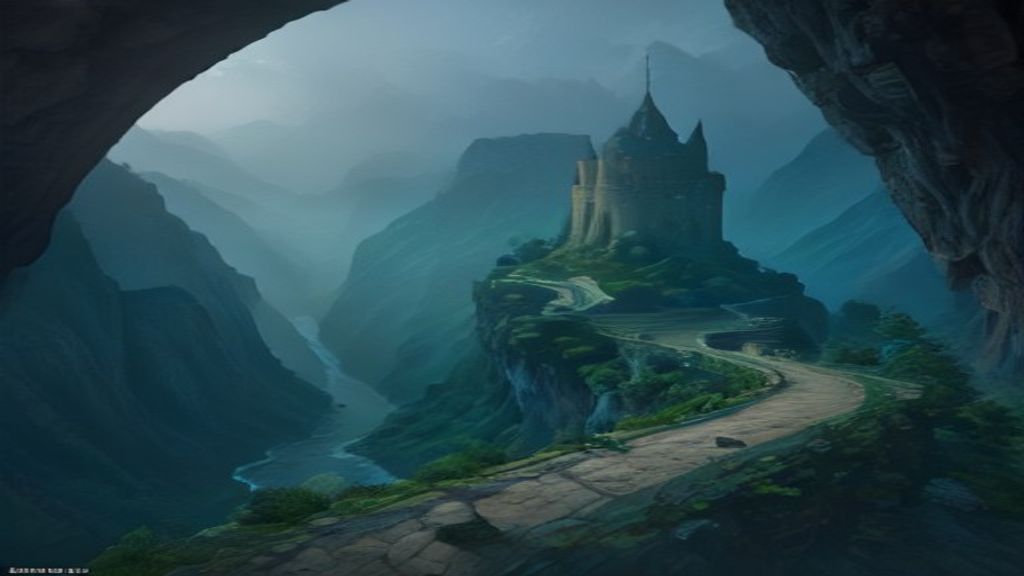
Cliff Gorge Kingdom
A compact region built around a market terrace, a hanging bridge, and a cave shrine. The first quest teaches height, weather, and one readable route.
Three connected regions with a landmark visible from spawn.
Carry a relic across the gorge and unlock the cave shrine.
Bridge, watchtower, market props, river spirit, and lighting rig.
Third-person view with the first interaction inside twelve seconds.
Keep the first Vibe Worlding version small enough to understand, test, and change.
Name the place, the player action, the goal, and the feeling. The builder turns vague atmosphere into concrete choices.
Review regions, landmarks, characters, assets, lighting, camera, spawn, and the first playable loop.
Copy the structured brief or carry its final prompt into OpenGame. A dedicated Agent can automate this handoff later.
Review the Vibe Worlding blueprint once. A clear spawn, route, asset list, and gameplay loop make the handoff easier.
The first view reveals the goal and main landmark.
Each region connects through an understandable route.
Every object supports play, story, or navigation.
The core action gives feedback and can be repeated.
Vibe Worlding is most useful when the idea is clear but the production details are not. Start with the outcome, then use the blueprint to align people, tools, and the next build step.
01
Plan the spawn, route, landmarks, core loop, and minimum asset set before committing production time inside an engine.
02
Connect story beats to places, characters, and interactions so the narrative still works when the player chooses where to move.
03
Turn a lesson setting into a compact explorable space with a clear route, learning objective, and observable completion state.
04
Test scale, traversal, camera, and object relationships in a structured brief before spending GPU time on detailed generation.
Short answers about the workflow and what this blueprint builder produces.
Start Vibe Worlding with a focused blueprint. Connect it to your build Agent when the idea earns a full generation run.